Collector Car Keys Cut by Original Code — Annetta TX
Want correct, original-code keys for your antique or collector car near Annetta TX? How key codes work and how a locksmith cuts them.
For a serious collector, "a key that works" and "the correct key" are two different things. A generic copy will start the car, but restorers and show judges care about the right blank profile, the right head, and cuts that match the vehicle's original key code — the way it left the factory. A locksmith who works with key codes can produce exactly that. This guide explains how key codes work on antique and collector cars, what the process costs, and how we help owners around Annetta, Weatherford, Aledo, and Parker County. Call or text (817) 813-9396 for original-code key work.
Quick Answer: Cutting Keys by Original Code
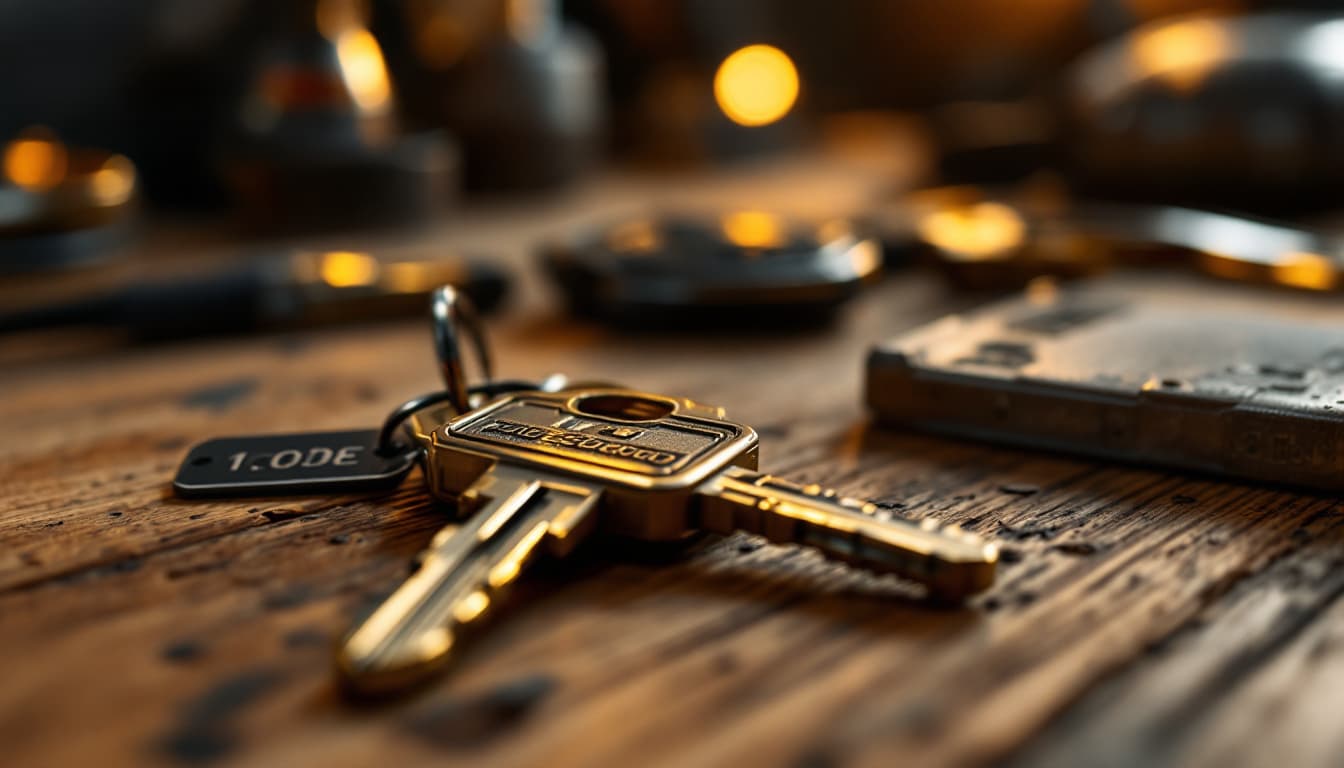
Many older vehicles were assigned a key code at the factory — a short alphanumeric code that maps to a specific set of cuts. That code may be stamped on the lock cylinder, on a metal key tag delivered with the car, in the owner's documentation, or (for some makes) derivable from the lock itself. A locksmith uses the code to cut a precise, correct key — cleaner and more accurate than copying a worn original. We help you locate the code and cut correct keys from it.
Original-Code Key Pricing Near Annetta TX
| Scenario | Typical Price Range | Notes |
|---|---|---|
| Cut key from a known code | $40–$110 | Precise, correct cuts |
| Locate code by reading the lock | $90–$200 | When the code is lost |
| Period-correct blank sourcing | Varies | Correct profile/head for the era |
| Full matched set to original code | $150–$350+ | Ignition, doors, trunk, glovebox |
Disclaimer: Ranges only, not quotes. Cost depends on whether a code exists, blank availability, and how many locks are matched. Call or text (817) 813-9396 for an honest assessment.
How Original Key Codes Work
What a key code actually is
A key code is a factory reference that specifies the exact depths and positions of the cuts on a key. Given the code and the right cutting equipment, a locksmith can produce a key without ever seeing the original — and the result is cut to spec, not copied from a key that may have worn over decades.
Where the code lives
On collector cars, the code can turn up in several places: stamped on the lock cylinder, on a small metal key-code tag that came with the car from new, in the original glovebox documentation or build sheet, or recorded by a previous owner. Part of the job is knowing where to look for the make and era.
When the code is lost
If no code survives, we can often read the ignition, door, or glovebox lock directly to determine the cuts, then generate a correct key — and record the resulting code for you so it's never lost again.
Period-correct blanks
Cutting to code gets the geometry right; sourcing a correct blank gets the look right. For a proper restoration we aim for the right blank profile and head style for the era, so the finished key belongs in the car rather than looking like a modern replacement.
Why This Matters for a Restoration
- Show correctness. Judged cars are scored on details. Correct keys with the right blank and cuts are part of a faithful restoration.
- A crisp key, not a worn copy. Copying a decades-old key reproduces its wear. Cutting from code gives you a fresh, accurate key that turns smoothly.
- A recorded code you keep. Once we establish the code, you have it on file — future spares are quick and precise, and a lost key is never a crisis.
- Matched locks. Many collectors want the ignition, doors, trunk, and glovebox all keyed to one correct code, the way the car was intended.
Common Collector Situations Around Parker County
- Restoration nearing completion. The finishing touch: correct keys cut to the car's original code, with matching locks throughout.
- Bought a collector car with a worn key. We read the lock or find the code, then cut you fresh, correct keys and record the code.
- Key tag found in the paperwork. Sometimes the original metal code tag surfaces in the glovebox documents — we can cut straight from it.
- Mismatched locks from past repairs. Over the years a lock may have been swapped. We can decode each and rekey to a single correct code.
Frequently Asked Questions
What is a car key code?
It's a factory reference that specifies the exact cuts for a vehicle's key. With the code and the right equipment, a locksmith can cut a correct key without needing the original — cut to spec rather than copied from a worn key.
Where do I find my collector car's key code?
It may be stamped on a lock cylinder, on a metal key-code tag delivered with the car, in the original glovebox paperwork or build sheet, or recorded by a prior owner. We help you locate it, and can read the lock if it's lost.
Why not just copy my existing key?
Copying reproduces wear and any past errors. Cutting from the original code (or from a freshly read lock) yields a crisp, accurate key that turns properly — which matters on a valuable, judged car.
Can you make period-correct keys, not just functional ones?
We aim for the correct blank profile and head style for the car's era, so the key looks right in the ignition — important for a faithful restoration, not just for function.
Can you key all the locks to one original code?
Yes. We can match the ignition, doors, trunk, and glovebox to a single correct code, the way many of these cars were intended from the factory.
Get Correct Keys for Your Collector Car
Whether the original code is stamped on a tag in your glovebox or lost to time, we can produce correct, period-appropriate keys and record the code for the future. Call or text (817) 813-9396 for original-code key service across Annetta, Weatherford, Aledo, and Parker County.
Article written by the Annetalocksmith Automotive Locksmith Team. Reviewed by a working automotive locksmith technician.