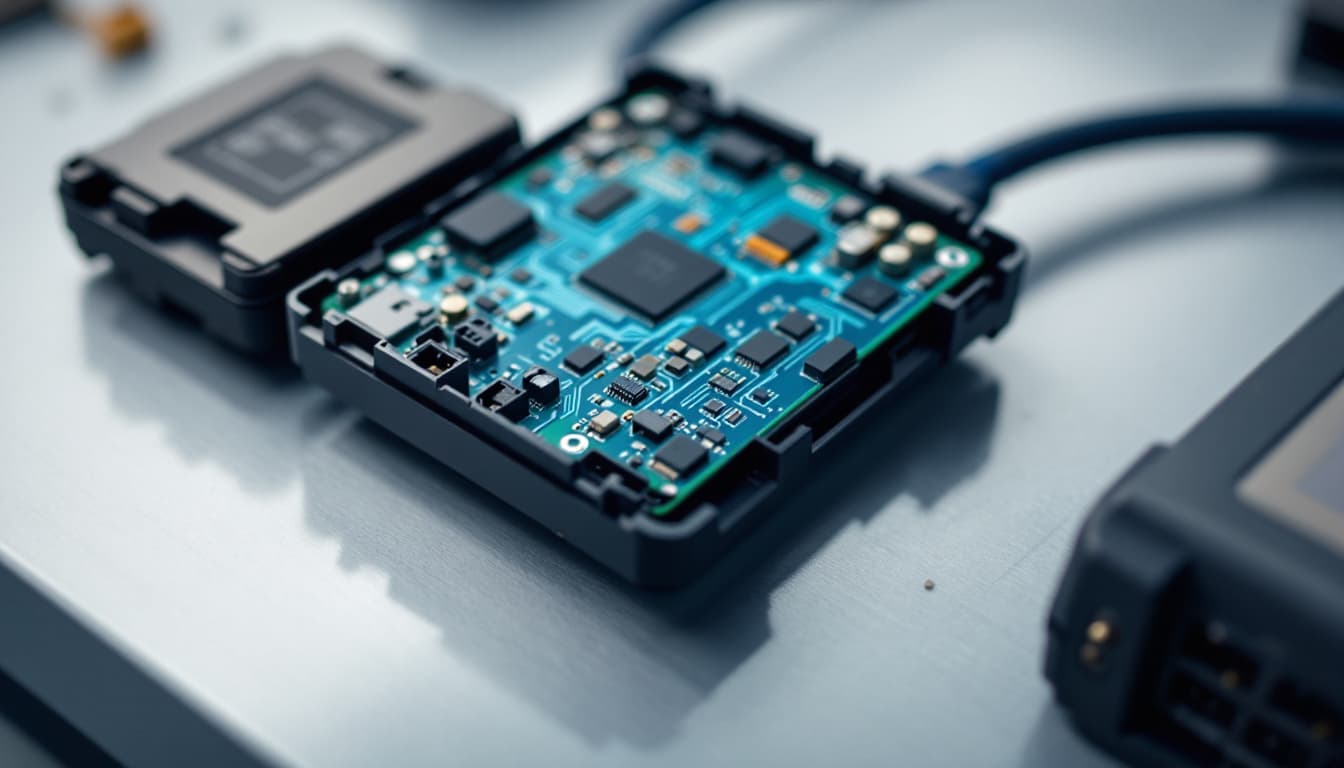
Car Module Programming Annetta TX | Expert ECU Service
Local car module programming for ECU, ECM, PCM & more. Expert diagnostics and reprogramming. Call today for a free assessment.
Modern vehicles are rolling computer networks. A single sedan can carry 30 to 100 electronic control units talking to each other over a data bus, and when one of those modules fails, gets replaced, or needs a new key married to it, the module has to be programmed before the car will run correctly. If a dealership quoted you an eye-watering price to "flash the computer" or "program the module," this guide explains exactly what that work is, when it's genuinely needed, and how a mobile locksmith in Parker County can often do it on-site for less. Call or text (817) 813-9396 for a straight answer about your specific vehicle and module.
We serve Annetta, Weatherford, Aledo, Willow Park, Hudson Oaks, Benbrook, the Fort Worth west side, and the 76008 area with mobile diagnostic and key/module programming — no tow to the dealer required for most jobs.
Quick Answer: What Is Module Programming?
Module programming is the process of writing software, configuration data, or security credentials into one of your car's electronic control units so it functions as the vehicle expects. There are two broad flavors: flash programming (loading calibration software into a module — the ECM/PCM after a replacement, for example) and security/immobilizer programming (teaching a module which keys, fobs, or other modules it's allowed to work with). Locksmiths deal most often with the security side — adding keys, replacing an immobilizer or body control module, and cloning or coding modules so a car recognizes a new key.
The key thing to understand: on most vehicles built after roughly 2000, you cannot simply cut a key and drive away. The key contains a transponder chip, and the car's immobilizer will not fire the starter or fuel injectors until a module confirms that chip is authorized. That authorization step is programming.
Car Module Programming Pricing in Annetta TX
Pricing depends heavily on the module, the make, and whether the work is security programming or a full software flash. The ranges below are typical for automotive work in Annetta and Parker County:
| Service | Typical Price Range | Notes |
|---|---|---|
| Add a key to an existing immobilizer | $75–$250 | Depends on key type and make |
| All-keys-lost immobilizer programming | $150–$450+ | May require module read or PIN/code pull |
| Push-to-start / proximity smart key add | $150–$400 | Higher for luxury European makes |
| BCM / immobilizer module cloning or coding | $200–$600+ | Varies widely by platform |
| ECM/PCM programming to VIN + calibration | $150–$350 | Where a calibration file exists for the platform |
| TCM programming + adaptive relearn | $250–$500 | Program, relearn and verify |
| Wireless ignition node (WIN) replacement + programming | $350–$650 | Chrysler, Dodge, Jeep, Ram FOBIK vehicles |
| Diagnosis before any module is condemned | $95–$180 | Applied toward the repair |
As of September 2026, these ranges reflect current ECM computer programming and security work in Parker County. The dedicated cost pages go deeper: TCM programming cost and WIN ignition module replacement cost.
Disclaimer: These are ranges, not quotes. Final pricing depends on the exact year/make/model, the module involved, parts, security-code access, and travel. Some late-model or high-security modules must be handled by a dealer or the manufacturer. Call or text (817) 813-9396 for a free, vehicle-specific quote.
The Main Modules — Plain-English Definitions
ECU (Electronic Control Unit)
"ECU" is the umbrella term for any electronic control module in the vehicle. When someone says "the ECU," they usually mean the engine controller, but technically your ABS unit, airbag module, and transmission controller are all ECUs. Precision matters here because "ECU programming" can mean very different jobs depending on which unit is being discussed.
ECM (Engine Control Module)
The ECM manages the engine — fuel injection, ignition timing, emissions, and dozens of sensors. When an ECM is replaced, it typically needs to be flashed with the correct calibration for your VIN and, on many vehicles, married to the immobilizer so it will accept the existing keys. A mismatched or unprogrammed ECM often causes a no-start or a persistent security light.
PCM (Powertrain Control Module)
On many domestic vehicles the engine and transmission controllers are combined into one Powertrain Control Module. A replacement PCM must be programmed with VIN-specific software and, on many Ford, GM, and Chrysler platforms, synchronized with the anti-theft system before the vehicle will start.
BCM (Body Control Module)
The BCM runs the "body" electronics — lighting, door locks, power windows, wipers, and on many vehicles it's also a central player in the immobilizer and keyless-entry system. When a BCM fails or is replaced, keys and fobs frequently have to be re-registered to it, and the module itself may need configuration coding for the specific options your car has.
TCM (Transmission Control Module)
The TCM controls automatic transmission shift points and pressures. A replacement TCM usually needs a software flash and an adaptive "relearn" drive cycle so shifting is smooth. TCM work is less common in locksmithing but overlaps when a combined PCM is involved.
Flash Programming vs. Security Programming — Why It Matters
These are two different disciplines and it's important to know which one your car needs.
Flash programming loads the manufacturer's calibration software onto a blank or replacement module. This is dealer/manufacturer territory on many makes because it requires licensed software and current subscription access (for example, the OEM's technical portal). A good shop is honest when a job genuinely requires this — we'll tell you when a module flash is beyond mobile scope rather than guess.
Security programming teaches the immobilizer which keys and modules to trust. This is the bread and butter of automotive locksmithing: adding a key, doing an all-keys-lost, replacing a lost or damaged immobilizer, or cloning a module's security data so a used replacement part works in your car. Much of this can be done on-site with the right equipment and the correct security access.
When Module Programming Is Actually Required
- You lost all keys. The immobilizer has no authorized key to reference, so a new key must be generated and programmed — sometimes requiring the module to be read for its secret code or PIN. See our companion guide on all keys lost — VIN-to-new-key process and cost.
- You added a spare or replaced a broken fob. The new transponder or proximity key must be enrolled.
- A module was replaced. A used or new BCM/immobilizer/ECM often needs coding, cloning, or a security marriage to your existing keys.
- The security/immobilizer light stays on and the car won't start. This can indicate a lost sync between the key, the immobilizer, and the engine controller.
A recent example
A minivan in Willow Park arrived with a no-crank and a fob that would not turn in the dash slot. The owner had been quoted a new engine computer. Reading the modules showed the engine controller was fine; the wireless ignition node had failed. The replacement node was programmed to the van, both fobs were re-enrolled, and the engine computer was never touched. That is the most common way module work goes wrong — the right procedure on the wrong module — and it is why diagnosis comes first.
A related trap: a transmission that shifts harshly right after a battery change is usually asking for an adaptive relearn, not a new module. The hard shifting after a battery disconnect guide explains how to tell the difference, and when a replacement module is genuinely needed the transmission software programming page covers what that work involves. Clusters of unrelated electrical faults point elsewhere — the BCM failure symptoms guide is the place to start for those.
When It's NOT a Locksmith Job
Honesty is part of doing this right. Full ECM/PCM/TCM software flashes on many modern platforms need OEM-licensed software and are best handled by a dealer or a shop with a current manufacturer subscription. Airbag and ABS module flashing, high-security European modules on the newest platforms, and any work requiring proof-of-ownership through the manufacturer's secure gateway may fall outside mobile locksmith scope. The industry credential for legitimate modern key and module security work is the NASTF Vehicle Security Professional registry, which controls access to manufacturer security data — reputable locksmiths work within that framework rather than around it.
What We Bring to Your Location
Our mobile units carry diagnostic programmers, key-cutting equipment, and transponder inventory for a wide range of makes. On-site we can read vehicle data, generate and cut keys, enroll transponders and proximity fobs, and on many platforms clone or code immobilizer-related modules. We come to your home in Weatherford, your workplace in Fort Worth, or roadside on I-20 in the Annetta area.
Frequently Asked Questions
Is module programming the same as making a key?
Not exactly. Cutting a key is mechanical. Programming is electronic — it's the step that teaches the car's modules to accept that key. Most modern keys need both: cut to the lock, then programmed to the immobilizer.
Can you program a used module I bought online?
Sometimes. Many BCMs and immobilizer modules can be cloned or coded so a used part works in your car. Others are VIN-locked or need a dealer flash. Tell us the exact part and vehicle and we'll tell you honestly whether it's doable on-site.
Why does the dealer charge so much for this?
Dealers include OEM software subscriptions, shop overhead, and often a tow. A mobile locksmith with the right equipment can do many security-programming jobs for 30–50% less, on-site, without a tow.
Will programming erase my other keys?
An all-keys-lost or immobilizer reset can wipe and re-enroll the key list, which means old keys stop working — that's a security feature. Simply adding a key usually leaves existing keys working. We'll confirm which applies to your vehicle before starting.
How long does module or key programming take?
Adding a key is often 20–45 minutes. All-keys-lost and module coding can take one to several hours depending on the platform and whether a code or PIN must be pulled.
Get a Straight Answer About Your Vehicle
Module and key programming is where dealer pricing hurts the most — and where a knowledgeable mobile locksmith saves you the most. Whether you need a key added, an all-keys-lost job, or an immobilizer module coded, we'll tell you plainly whether we can handle it on-site and what it will cost. Call or text (817) 813-9396 for a free, vehicle-specific quote anywhere in Annetta, Weatherford, Aledo, Willow Park, and Parker County.
Article written by the Annetalocksmith Automotive Locksmith Team. Reviewed by a working automotive locksmith technician.