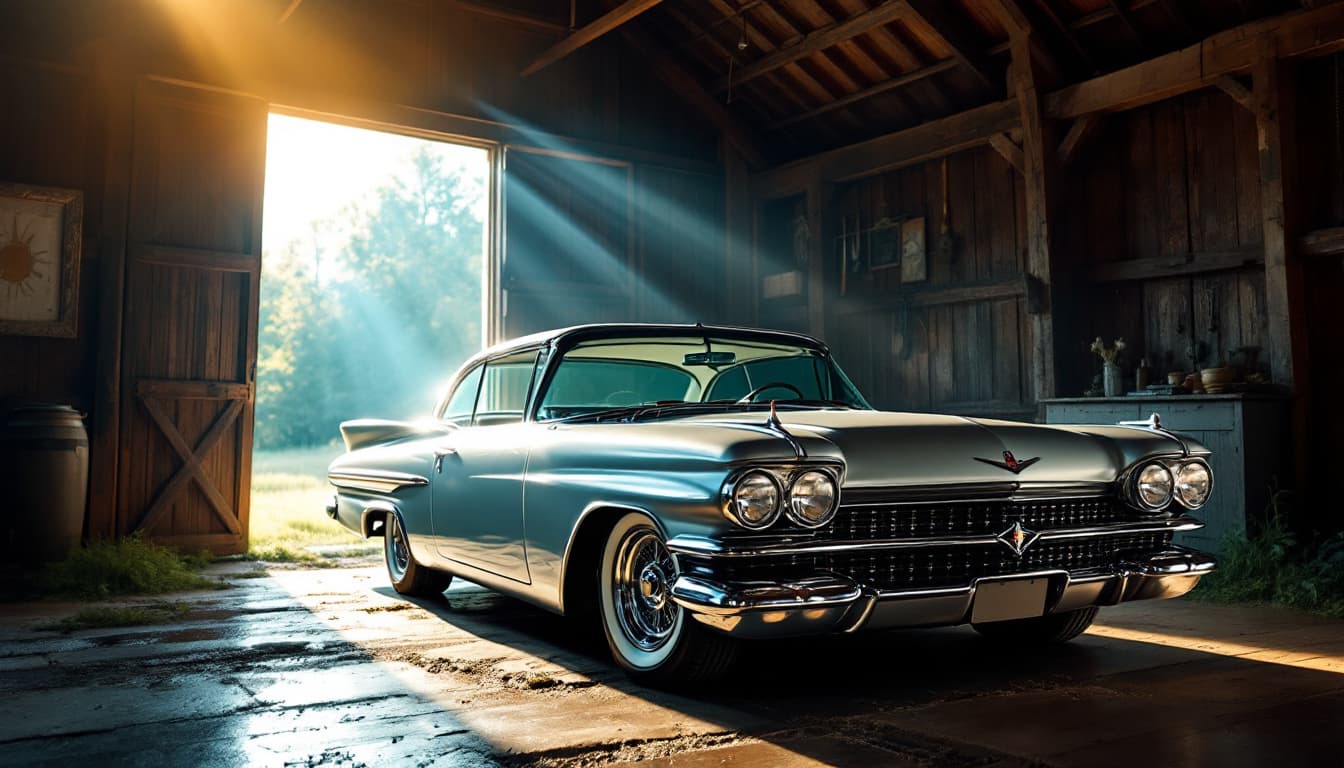
Classic Car Key Replacement (Pre-Transponder) — Annetta TX
How keys for classic and older cars work before immobilizers — cutting by code, reading worn locks, and matching originals near Annetta TX.
Classic and older cars have a refreshing advantage over modern vehicles when it comes to keys: no immobilizer, no chip, no dealer programming. Before transponder security became standard in the late 1990s and early 2000s, an ignition key was a purely mechanical device — and that means a skilled locksmith can often make one from the lock itself, from a code, or by matching an original. This guide explains how pre-transponder keys work, what replacement costs, and how we help classic owners around Annetta, Weatherford, Aledo, and Parker County. Call or text (817) 813-9396 for classic-car key work.
Quick Answer: Classic Car Keys
Pre-transponder vehicles — broadly cars from before the late 1990s, and many economy models a few years past that — use a mechanical key with no electronic security. A locksmith can cut a new one by decoding the ignition or door lock, by using a key code stamped on the lock or in the paperwork, or by duplicating an original. Even with no key at all, these cars are usually serviceable because there's no immobilizer to defeat. We confirm the make, year, and lock type first.
Classic Car Key Pricing Near Annetta TX
| Scenario | Typical Price Range | Notes |
|---|---|---|
| Duplicate from working key | $10–$40 | Standard blank |
| Cut by key code | $40–$110 | Code on lock or in records |
| Read/decode the lock (no original) | $90–$200 | Wafer or pin tumbler |
| Full lock-set rekey to one key | $150–$350+ | Ignition + doors + trunk |
Disclaimer: Ranges only, not quotes. Classic key work depends on lock condition, blank availability, and whether a code exists. Call or text (817) 813-9396 for an honest assessment of your car.
How Pre-Transponder Keys Work
Original key codes
Many older vehicles were built with a key code stamped on the lock cylinder, on a metal tag, or recorded in the original paperwork. If that code survives, cutting a correct new key is precise and clean — often the best result for a collector who wants a proper key rather than a worn copy.
Decoding the lock
When there's no code and no original, we can disassemble or read the ignition or door lock to determine the exact cuts. Older wafer and pin-tumbler locks are well understood, so generating a working key from the lock is routine for a locksmith even when the dealer network no longer supports the car at all.
Duplicating a worn original
If you have a key but it's rounded off from decades of use, copying it just reproduces the wear. Cutting a fresh key from the lock or the code gives you a crisp key that turns properly.
Matching originals for collectors
Owners restoring a car often want keys that match the era — correct blank profile, correct head style. We can frequently source period-appropriate blanks so the finished key looks right in the ignition, not just functions.
Common Classic-Car Situations Around Parker County
- Barn-find with no keys. A project car bought with no key is a classic locksmith job — no immobilizer means we can usually decode the locks and make a working set.
- Restoration that needs matching keys. Get the ignition, doors, and trunk keyed alike to a single correct key for a clean, period-right result.
- Worn ignition that sticks. After decades, a lock can wear to where the key barely works. A fresh key from code, or a rebuilt cylinder, restores smooth operation.
- Only one original left. Cut a spare now. Original keys for older cars can be harder to source later, and a decoded spare protects the car.
Why Classic Owners Call a Locksmith, Not a Dealer
For most classic and older vehicles, the dealer network no longer stocks the parts or the key codes — the car is simply too old to be in their systems. A locksmith who works with mechanical locks is often the only practical source for a correct key, and because there's no electronic programming involved, the work is about craft and decoding rather than dealer software. We come to the car, which matters when a project or restoration isn't drivable.
Frequently Asked Questions
Can you make a key for a car from the 1960s or 1970s with no key at all?
Usually yes. Pre-transponder cars have no immobilizer, so we can decode the ignition or door lock and generate a working key from scratch. Proof of ownership is required.
Will a new key look correct for my restoration?
We can often source period-appropriate blanks with the right head style and profile, so the key looks right in the ignition — not just a modern blank that functions but looks out of place.
My classic key is worn out — should I just copy it?
Copying a worn key reproduces the wear. It's better to cut a fresh key from the lock or the original code so it turns smoothly and doesn't accelerate wear on the cylinder.
Can you key my classic so one key runs everything?
Yes. We can rekey the ignition, doors, and trunk to match a single key, which is both convenient and correct for many restorations. This is a full lock-set job.
Do I have to bring the car to you?
No. We come to the vehicle — barn, shop, or driveway — which is often necessary since project and restoration cars aren't always drivable.
Get a Correct Key for Your Classic
Whether it's a barn-find with no key or a restoration that needs a matching set, we work with the mechanical locks directly — no dealer, no chip. Tell us the make, year, and what you have. Call or text (817) 813-9396 for classic-car key service across Annetta, Weatherford, Aledo, and Parker County.
Article written by the Annetalocksmith Automotive Locksmith Team. Reviewed by a working automotive locksmith technician.