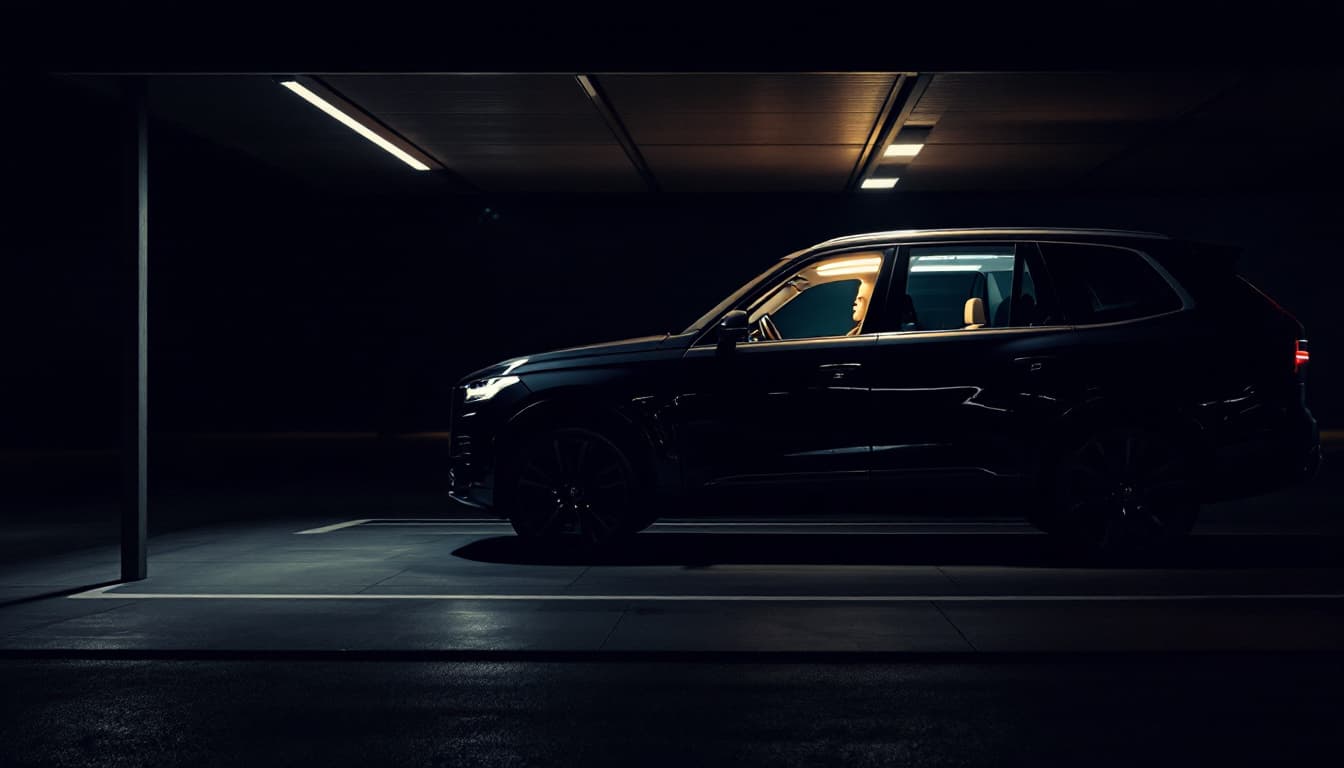
Cadillac Escalade & GMC Yukon All-Keys-Lost Key Replacement — Annetta TX
All-keys-lost smart key replacement for 2015–2020 Escalade and Yukon in Annetta TX. Why AKL takes longer than a spare, key code by VIN, the hidden emergency blade, and starting with a dead fob.
Losing the last key to a full-size GM SUV is a different problem than losing one of two. It's not twice the work — it's a different job with a different sequence, and the price gap between those two situations is the single biggest number in automotive key work. Call or text (817) 813-9396 for Escalade and Yukon key replacement across Annetta, Weatherford, Aledo and Fort Worth.
Quick Answer
A 2015–2020 Escalade, Yukon, Yukon XL, Suburban or Tahoe uses a proximity smart key: no ignition cylinder to turn, push-button start, and a fob the vehicle detects passively. When you still have one working fob, adding a second is a straightforward registration. When every fob is gone, the job becomes an all-keys-lost procedure — the key code has to be pulled by VIN with proof of ownership, a mechanical emergency blade has to be cut so the door can be opened, and the vehicle's key memory has to be reset before any new fob will be trusted. All of it happens at the SUV.
All-Keys-Lost Pricing in Annetta TX
As of July 2026, typical Parker County ranges:
| Service | Typical Price Range | Notes |
|---|---|---|
| Spare proximity fob (one key still works) | $190–$375 | Shortest version of this job |
| All keys lost, single new smart key | $330–$620 | Code by VIN, blade cut, memory reset |
| Each additional fob at the same visit | $150–$300 | Far cheaper than a second call-out |
| Emergency blade cut only | $50–$95 | Gets you into the vehicle |
| Door lock decoding (no code available) | Quote | Depends on lock condition |
Disclaimer: Ranges only. Model year, trim, fob part number and whether the fob is supplied all move the number. Call or text (817) 813-9396 with the VIN.
Why All-Keys-Lost Costs More Than a Spare
Owners reasonably assume a key is a key. Here's what actually changes when the last one disappears.
There is no trusted key to authorize the next one
With one working fob present, the vehicle already has an accepted identity in memory and adding a second is a permissioned operation. With none, there is nothing to grant permission with. The system has to be brought to a state where it will accept new identities from scratch, and on these GM SUVs that involves an immobilizer procedure with its own timing and its own sequence — not a single button press.
The vehicle has to be opened first
No key means no door. Getting inside a locked full-size SUV without damage is its own skill, and it happens before any programming can start. That's work that simply doesn't exist in a spare-key appointment.
The mechanical cuts have to be created, not copied
With a working fob you can copy from what exists. With nothing, the cuts for the emergency blade have to come from the vehicle's key code, tied to its VIN — which brings paperwork and lead time into a job that otherwise has neither.
Stack those three and you understand why every locksmith in the trade says the same thing: the spare you make on a quiet Tuesday costs a fraction of the key you need on a Saturday night.
Proof of Ownership Is Not Optional
Key codes tied to a VIN are controlled information for obvious reasons. Expect to show registration, title, or insurance documentation matching a photo ID before anything is generated, and expect it to be checked rather than glanced at. Industry-wide, access to vehicle security data is managed through mechanisms such as the NASTF Vehicle Security Professional registry, which exists so key information isn't handed out on request. If a locksmith doesn't ask, that's a reason to end the call — the same standard that protects your SUV from a stranger is the standard being applied to you.
In Texas, private security work including locksmithing falls under the Texas DPS Private Security Program. Asking who you're dealing with before someone opens your vehicle is a fair question, always.
The Emergency Blade and the Hidden Fob Slot
Two features on these SUVs that most owners have never used, and both are worth knowing before you need them.
The blade inside the fob
Every GM proximity fob of this era contains a small mechanical key blade, released by a catch or slider on the fob body. It exists for exactly one situation: the fob's battery is dead and the doors won't respond. The blade opens the driver's door — sometimes via a cylinder hidden behind a small cap in the door handle. Pull the blade out once, today, in your driveway, so you're not learning where it lives in a dark parking lot.
Worth adding: because that door cylinder is used approximately never, ten years of Texas dust often leave it stiff. If you have a spare key made, have the blade cut and then actually try it in the door.
Starting the SUV when the fob battery is dead
Proximity systems detect the fob by radio, and a dead battery means no radio. But GM designed a backup: there is a designated location — a slot, pocket or marked spot, commonly in the center console area — where you hold or place the fob so the vehicle can read it by short-range induction rather than by broadcast. Press the start button with the brake applied while the fob is in that position and the SUV starts normally. The exact location varies by model and year, and it's in the owner's manual. Read that page once; it turns a tow into a non-event.
If your fob is dead often, that's its own signal. Batteries in these fobs are cheap and replacing them proactively every couple of years is far better economics than discovering the problem in a Willow Park parking lot.
What Can Go Wrong on These SUVs
Not every "lost key" call turns out to be a lost key. A few patterns come up repeatedly on full-size GM platforms.
Both fobs stop working at the same time. That almost never means both fobs failed — it usually means the vehicle's receiving side is the suspect, and that's a diagnostic path rather than a key path.
The SUV cranks and dies with a security message. The immobilizer is refusing authorization. Could be the key, could be the module reading it. The distinction is the same one we walked through on the Chrysler side in the Dodge Durango RF hub module programming guide — different manufacturer, identical logic.
Everything went strange right after a battery replacement or a jump start. Low or interrupted voltage can leave modules in an odd state, and some need a relearn afterward. Worth mentioning up front because it reorders the whole diagnostic.
A used fob from an online seller refuses to program. Many are still married to the vehicle they came out of and can't be adopted. Virgin fobs program; previously married ones frequently don't.
Mobile All-Keys-Lost Work Across Parker County
An SUV with no keys can't be driven anywhere, so the entire job has to travel — opening, cutting, programming and verification. That covers driveways in Annetta, lots in Weatherford, job sites in Aledo, and streets through Willow Park, Hudson Oaks, Benbrook, Fort Worth and 76008.
One practical suggestion: if you're already paying for an all-keys-lost visit, have a second fob made at the same appointment. The incremental cost of key number two while the equipment is already connected is a fraction of a separate call-out later, and it converts your next lost key from an emergency back into an errand.
An Honest Boundary
Two straight statements. On the newest model years and on later-generation GM SUVs, security architecture is tighter and access paths have changed, so a technician confirms your exact configuration can be serviced before quoting a firm price rather than promising it over the phone. And if diagnosis points at a failed immobilizer module or a body control module fault rather than a missing key, that's a different repair at a different cost, and you'll be told that directly instead of being sold fobs that were never going to start the vehicle.
Frequently Asked Questions
How much longer does all-keys-lost take than a spare key on an Escalade?
Considerably. A spare is a registration against a key the vehicle already trusts. All-keys-lost adds opening the locked SUV, generating cuts from the key code by VIN, and running an immobilizer procedure before any new fob can be accepted — three steps that don't exist in a spare-key appointment.
Can I start my Yukon if the key fob battery is dead?
Yes. These SUVs have a designated backup location, commonly in the center console area, where the fob is held or placed so the vehicle can read it at short range. Hold the brake, press the start button with the fob in that spot, and it starts normally. The exact position is listed in the owner's manual.
Where is the emergency key blade on a GM smart fob?
Inside the fob body, released by a catch or slider. It opens the driver's door, sometimes through a lock cylinder hidden behind a small cap in the handle. Practice pulling it out before you need it, and have it cut whenever a spare fob is made.
What documents do I need for a lost Escalade key?
Registration, title or insurance paperwork matching a photo ID. Key codes tied to a VIN are controlled information, and a locksmith working properly will verify ownership before generating anything.
Should I have two fobs made during the same visit?
It's the better value by a wide margin. The second fob costs far less while the equipment is already connected than it would as a separate call-out later, and it means the next lost key isn't an emergency.
Don't Wait for the Last Key to Disappear
One working fob turns an expensive emergency into a short appointment. Call or text (817) 813-9396 with your Escalade or Yukon's year and VIN.
Article written by the Annetalocksmith Automotive Locksmith Team. Reviewed by a working automotive locksmith technician.